
The Secret to Professional-Grade Golden Pastry
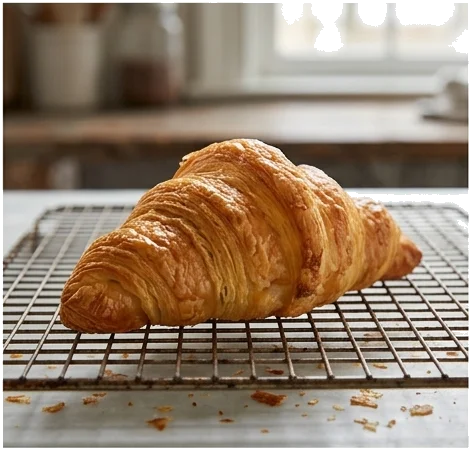
Hi there! I’m Olivia Bennett. If there is one thing I’ve learned at britbakery.com, it’s that baking is as much about physics as it is about flavor. We all crave that perfect, shatteringly crisp, and deeply golden crust, but achieving it at home can be a challenge. Why does your pastry sometimes turn out pale or soggy on the bottom while burning on the edges? It usually comes down to temperature management and technique.
Getting that professional-grade color and texture isn't luck. It is a calculated process. Let’s break down how to master the art of the golden bake. To go further, our essential guide to different baking doughs covers the basics of choosing the right dough.
The Power of the Chill
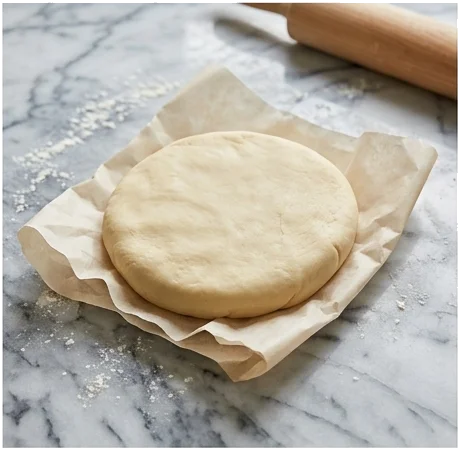
The most common mistake amateur bakers make is rushing the process. If your dough is too warm when it hits the oven, the fat melts instantly. Instead of creating those beautiful, flaky layers, the fat bleeds into the flour, resulting in a dense, greasy, and pale crust.
My top tip: Always rest your shaped pastry in the refrigerator for at least 30 minutes before baking. This "sets" the butter, ensuring that it hits the oven solid. When the cold butter meets the hot oven air, it creates steam, which puffs the pastry and creates those gorgeous, crisp layers that brown evenly.
Practical Tricks for Better Chilling:
- Never skip the freezer if you are short on time; 10 minutes in the freezer is better than none.
- Chill your rolling pin and work surface if your kitchen is particularly warm.
- If the dough feels sticky, put it back in the fridge immediately. Never force it.
Mastering Heat Distribution
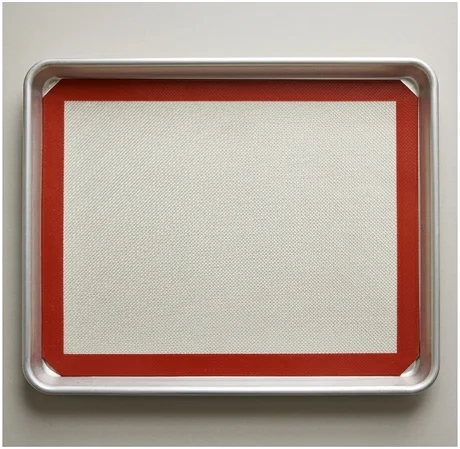
Uneven baking is often a result of poor heat circulation. Your oven might have "hot spots," or your baking sheet might be preventing heat from reaching the bottom of your pastry. To get that consistent, golden-brown glow, you need to manage your equipment.
I highly recommend using perforated baking mats or light-colored, heavy-duty aluminum sheets. Dark pans absorb too much heat, often scorching the bottom of your pastry before the top is even light golden. For professional results, bake on the middle rack and rotate your tray halfway through the process to ensure every side gets an equal blast of heat.
The Finishing Touches: Egg Wash and Beyond
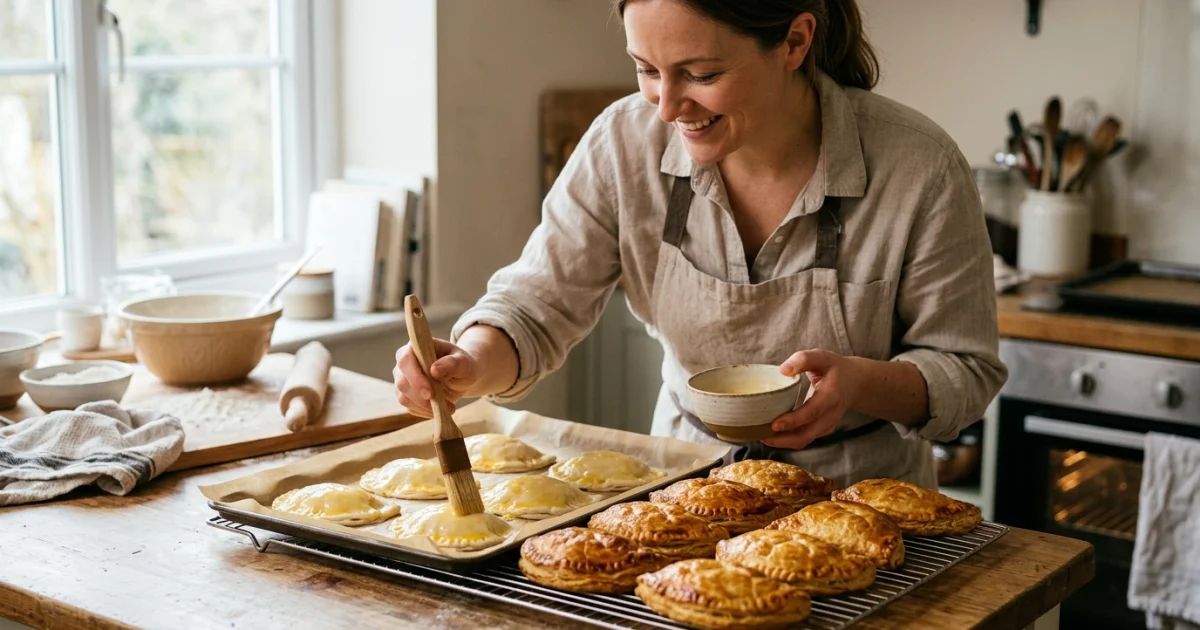
Texture provides the crunch, but the color comes from the egg wash. This is the "makeup" of the baking world. A simple egg wash creates a glossy, mahogany finish that makes any pastry look irresistible. However, you need to use the right mixture for the specific result you want.
The Perfect Egg Wash Guide:
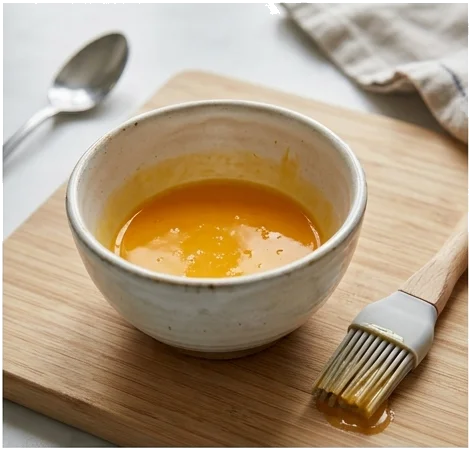
- Standard Shine: One whole egg beaten with a splash of water or milk. This gives a classic, even golden finish.
- Deep Color: Use only egg yolks mixed with a teaspoon of heavy cream. The fat in the yolk and cream encourages rapid browning and creates a rich, dark amber color.
- The "Glass" Effect: Brush with simple syrup or a light apricot glaze immediately after the pastry comes out of the oven for a bakery-style shine.
Pro tip: Avoid letting the egg wash pool in the decorative crevices of your pastry. If it collects in the grooves, it will brown faster than the rest and can look unappealing. Always use a soft-bristled brush and apply a thin, even coat.
Avoiding the "Soggy Bottom"
There is nothing worse than a beautiful, crisp top hiding a raw, doughy base. This happens when moisture is trapped. If you are baking pies or fruit tarts, sprinkle a little almond flour or crushed amaretti cookies on the base before adding your filling. These ingredients absorb excess fruit juices, keeping the bottom crust crisp.
Additionally, consider baking your pastry on a preheated pizza stone or a steel baking tray. The direct contact with a hot surface gives the bottom a "jump-start," ensuring it turns golden and crispy long before the top gets too dark.
Pairing Your Pastries
Once you’ve achieved that perfect golden bake, consider what you are serving it with. A buttery, flaky pastry needs a pairing that cuts through the richness. If you are serving a savory pastry, a crisp, dry cider or a light pilsner works wonders by refreshing the palate. For sweet treats, a well-balanced dessert cocktail or a bold, single-origin coffee is the ideal companion.
Remember, baking is a journey of trial and error. Don't be discouraged if your first batch isn't perfect. Keep your butter cold, watch your oven temps, and don't be afraid to experiment with your egg wash technique. Happy baking!
Leave a Reply or Contact Us
Have questions about the recipe or want to share your baking results? Fill out the form below!