

The Science Behind the Perfect Muffin
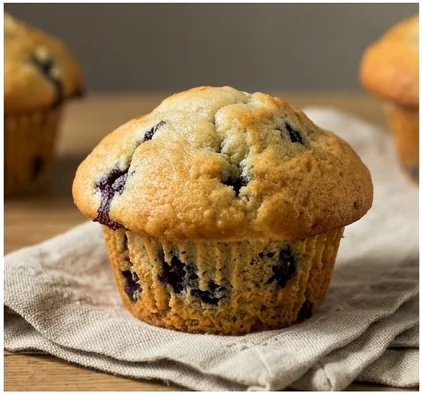
Hello, fellow bakers! I am Olivia Bennett, and if there is one thing I have learned at BritBakery, it is that a muffin should never feel like a lead weight. We have all been there: you pull a tray from the oven, expecting light, airy domes, only to be met with dense, rubbery hockey pucks. Why does this happen? It usually comes down to the delicate chemistry of mixing.
Baking is precise science. When you combine flour and liquid, you activate gluten proteins. Gluten provides structure, but if you overwork it, your muffin transforms from a tender pastry into a chewy, dense bread. Mastering the muffin is all about control. For a lighter crumb in everyday loaves, try making soft sandwich bread at home.
The Golden Rule: Stop Mixing Early
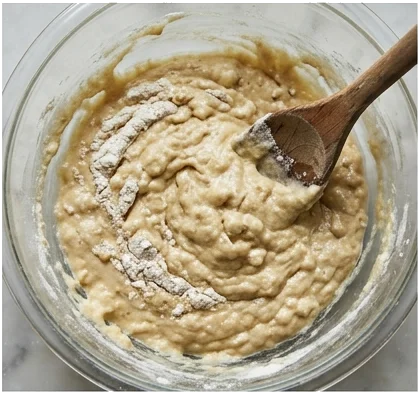
The most common mistake I see in the kitchen is over-mixing. Many home bakers believe that a batter must be perfectly smooth, like a cake batter. This is a trap. Muffin batter should be lumpy. In fact, if it looks a bit messy, you are probably doing it right.
When you stir, use a spatula. Use a gentle folding motion. Stop the moment you see the last streak of flour disappear. If you continue to beat the batter, you are stretching those gluten strands too far, resulting in a tough texture that refuses to rise properly.
Fat and Moisture: The Tenderizers

A muffin needs the right balance of fat and liquid to stay soft. Fat coats the flour proteins, preventing them from bonding too strongly with the moisture. This is why butter or oil is non-negotiable.
- Butter: Provides a rich, complex flavor. Always melt it and let it cool slightly before adding to prevent premature egg scrambling.
- Oil: Keeps muffins moist for longer than butter. Use neutral oils like grapeseed or sunflower for a cleaner taste.
- Dairy/Liquids: Buttermilk or yogurt adds acidity. This reacts with baking soda to create lift, resulting in a lighter crumb.
My top tip? If your muffin is coming out dense, check your baking powder. If it has been sitting in your cupboard for more than six months, it may have lost its leavening power. Test a pinch in hot water; if it doesn't fizz immediately, it is time for a new tin.
Troubleshooting Your Muffin Texture
I have compiled this comparison table to help you identify exactly where your process might be going wrong. Keep this guide handy next time you fire up the oven.
Comparison: What Went Wrong?
- Dense and Gummy: Likely caused by over-mixing or an oven temperature that is too low, preventing the structure from setting.
- Dry and Crumbly: Too much flour or not enough fat. Remember to measure your flour by weight, not by volume, for perfect accuracy.
- Flat or Sunken Tops: Usually a sign of old leavening agents or opening the oven door too early, causing the heat to escape.
- Tunneling (large holes inside): A classic hallmark of over-mixing. The air bubbles are forced into large pockets instead of staying small and delicate.
Olivia’s Practical Tricks for Success
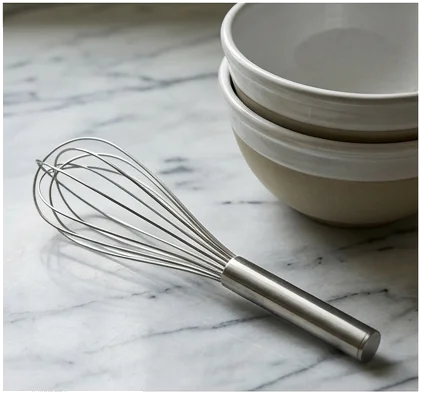
To ensure consistent results at home, I always follow these three steps:
- Room Temperature Ingredients: Always use room-temperature eggs and dairy. Cold ingredients do not emulsify well, leading to a broken, heavy batter.
- The "Two-Bowl" Method: Mix your dry ingredients in one bowl and your wet in another. Combine them at the very last second. This limits the time you spend folding the batter.
- Rest the Batter: If you have the time, let your batter sit for 15 minutes before portioning. This allows the flour to hydrate fully and the leavening agents to activate gently, giving you a better rise.
The journey to the perfect muffin is all about restraint. Resist the urge to fix those lumps, keep your movements gentle, and prioritize high-quality leavening agents. Next time you bake with us at BritBakery, trust the science—and your hands—to produce something truly spectacular.
Leave a Reply or Contact Us
Have questions about the recipe or want to share your baking results? Fill out the form below!