Mastering the Blueprint: How to Read a Baking Recipe Before You Start
Hello, fellow bakers! I’m Olivia Bennett. Over the years at BritBakery, I’ve learned that the secret to a perfect bake isn’t just in the oven—it’s in your head before you even touch a mixing bowl. Many beginners dive straight into the ingredient list, only to realize halfway through that the butter needs to be softened or the dough requires an overnight rest. Let’s change that.
Reading a recipe is a skill. It’s about understanding the "why" and "how" so you don’t find yourself in a kitchen panic. Think of it like reading a cocktail menu; you wouldn't order a complex drink without knowing if you have the time to savor it. Let’s break down how to decode your next baking project. For a deeper look at dough types, explore our guide on every type of dough you need to know. If you want to understand the difference between bread and pastry, read our guide to bread and pastry. For a cozy baking night, this same planning mindset helps you choose pastries, tea, and a relaxed pace from the start.
The Art of Mise en Place
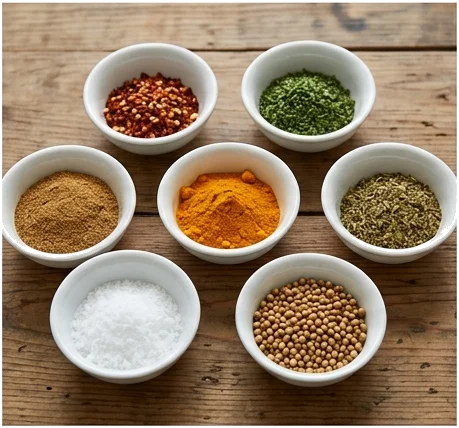
In professional kitchens, we live by a French term: mise en place. It literally translates to "everything in its place." Before you turn on your oven, you need to prepare your workspace.
Reading the recipe thoroughly allows you to gather your tools and ingredients in advance. There is nothing worse than searching for a whisk while your caramel is burning. Here is my personal checklist for your mise en place:
- Read the recipe top to bottom at least twice.
- Check your pantry for every ingredient, including salt and leavening agents.
- Measure your ingredients into separate bowls or containers.
- Take your refrigerated items (eggs, butter, milk) out to reach room temperature if the recipe dictates.
- Preheat your oven early. Most ovens need an extra 10 minutes past the "beep" to truly reach the target temperature.
Spotting the Hidden Timelines
One of the biggest traps in baking recipes is the "hidden time." A recipe might say "prep time: 20 minutes," but fail to mention a four-hour chilling period or a two-hour proofing stage. Always scan for keywords like "chill," "rest," "set," or "cool completely."
Olivia’s Pro-Tip: The "Timeline Scan"
I always look for the final instruction first. If the last step says "chill for 6 hours," I know that today’s bake needs to start yesterday. If you are planning a dessert for a dinner party, work backward from your serving time to ensure you aren't rushing the cooling process, which can lead to soggy crusts or melted ganache.
Decoding the "Baking Language"
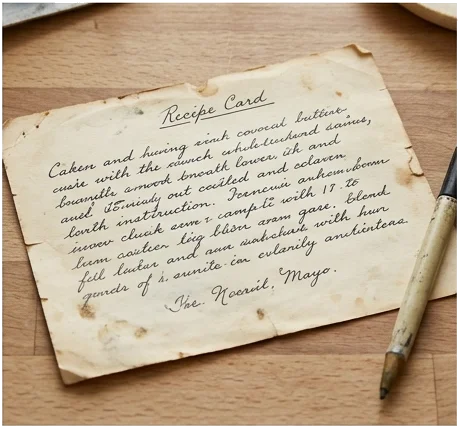
Baking is chemistry. Unlike cooking, where you can "taste and adjust," baking is rigid. Understanding the terminology is essential for success. When a recipe says "cream the butter and sugar," it isn't just a suggestion—it is a physical process that incorporates air into the batter for a lighter texture.
Here are a few common terms you should watch for:
- Creaming: Beating fat and sugar until pale and fluffy. Do not skip this!
- Folding: Using a spatula to gently incorporate light ingredients into heavy ones without deflating them.
- Scalding: Heating milk until small bubbles appear at the edges, but before it boils.
- Proofing: Allowing yeast dough to rise; this is where the flavor and texture develop.
Prep Your Equipment in Advance
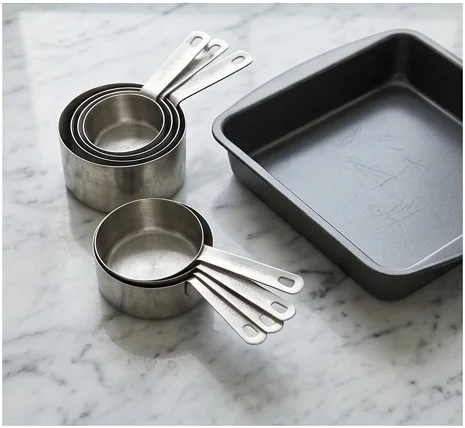
Just as you organize your ingredients, organize your gear. Do you need a specific pan size? If a recipe calls for an 8-inch square pan and you use a 9-inch, your bake will be thinner and likely overcook. If the recipe asks for parchment paper, don't substitute it with oil unless you are confident in your non-stick surface.
Practical trick: If you are making a delicate cake, line the bottom of your pan with parchment paper and grease the sides. This ensures a clean release every single time. If you’re preparing a classic cocktail to pair with your bake, make sure your glassware is chilled while the oven does the hard work.
Final Thoughts Before You Begin
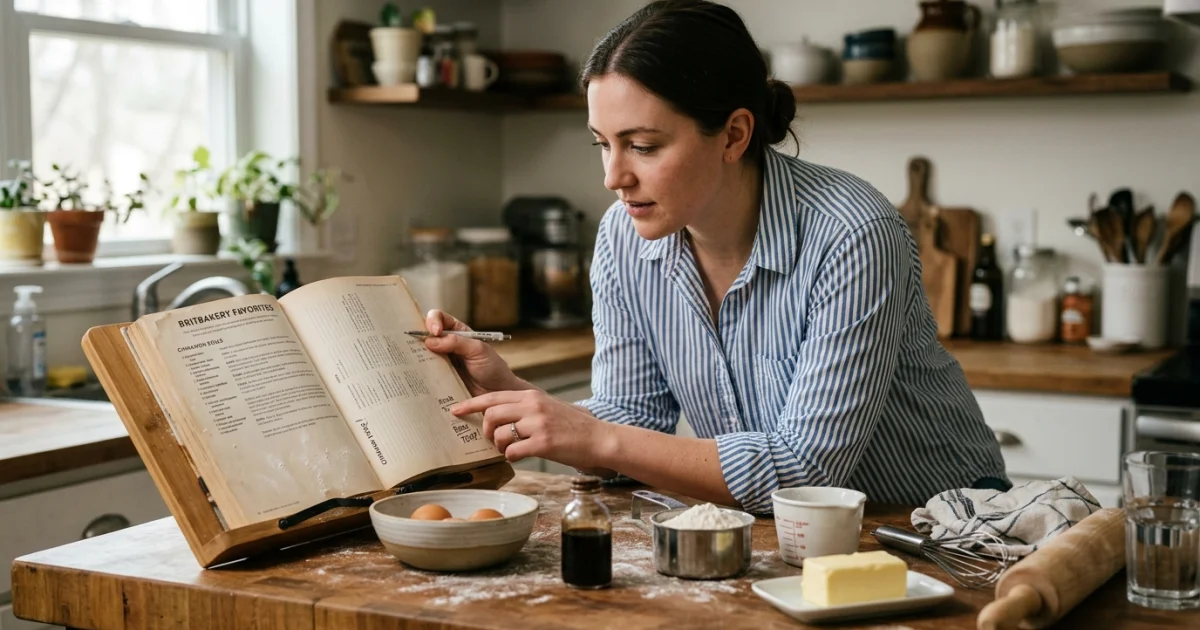
Remember, baking is meant to be a rewarding experience. When you read the recipe thoroughly, you transform from someone following a set of instructions into a baker who understands the process. Take your time, weigh your ingredients if possible, and don’t be afraid to make notes in the margins of your recipes for next time.
At BritBakery, we believe that the best treats are born from patience and preparation. Now that you know how to read your recipe like a pro, it’s time to preheat that oven and get to work. Happy baking!
Leave a Reply or Contact Us
Have questions about the recipe or want to share your baking results? Fill out the form below!