So, what’s up, I’m Olivia Bennett, actually.
Basically, over at britbakery.com, we are totally obsessed with the way things work behind the scenes of the hot box where the magic happens.
Whether you’re a person who does this for a paycheck or just someone who loves playing with flour at home, getting the hang of how a loaf is light-years away from a pie crust is a total must-have, you know. If you want to get better results, it helps to read a recipe carefully before you start.
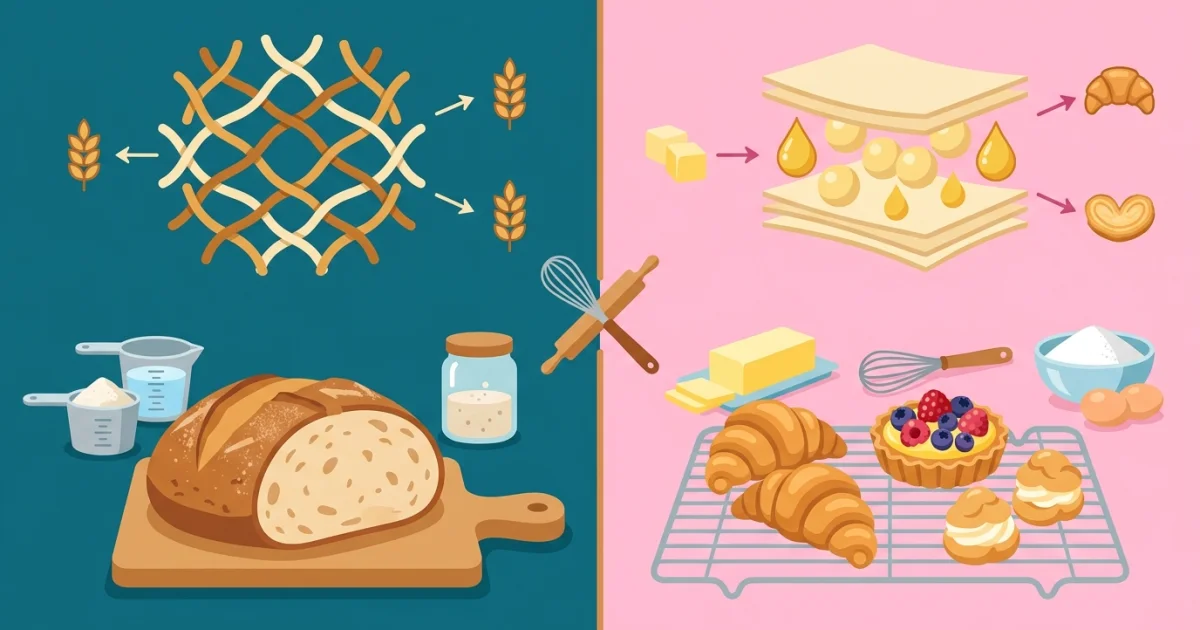
Since both need that white powder and wet stuff, the weird science trip they take is totally not the same thing, more or less.
To be honest, one is what you get when little bugs eat sugar and spit out air, while the other is a really cool work of art made by messing around with big chunks of butter.
I’m going to show you the fiddly bits that make a tough bread different from a fragile little sweet thing, and how you can match up these snacks with a killer liquid from the booze shelf at your house, honestly.
The Way Those Tiny Bugs Make the Bread Go
Seriously, a loaf of bread is kind of like a thing that’s breathing.
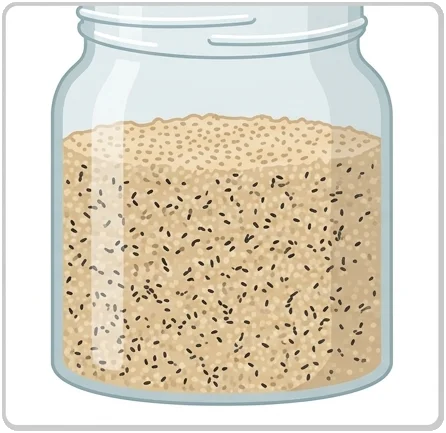
The main thing making it go is yeast, which is literally tiny mushroom thingies that gobble up sugar and spit out air bubbles and booze.
That whole thing where it sits around sets peoples' minds back to old-school kitchens and gives it those holey insides and a fancy taste that’s a bit zingy, and stuff.
When we chat about the baked stuff here, we really care about the waiting around forever that those tiny bugs need to finish their work, obviously.
The air that the bugs make gets stuck in a sticky web of proteins, which makes the blob of dough get really big, pretty much.
When you’re making a loaf, the science is all about how much space it takes up and how strong it feels, to be honest.
If those tiny bugs weren't around, we’d just be eating flat crackers, right?
The life inside also makes the outside dark and crunchy through a heat reaction that smells like basslines heavy on the reverb, in a way.
If you want a taste that feels super old-fashioned, sourdough uses wild bugs that add a whole other level of weird science by making the flavor a little sour, and so on.
How Big Chunks of Grease Make Pastry Flaky
On the flip side, the flaky stuff depends on how chunks of grease act instead of those tiny bugs, kind of.
Even if some snacks use yeast, the "pie crust" pile usually points to things like shortcrust, puffed-up dough, and that cream puff stuff, more or less.
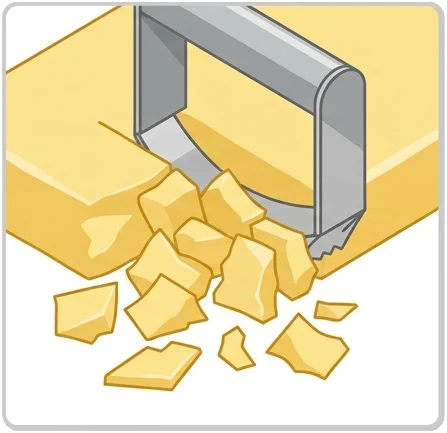
Basically, the grease—usually butter or lard—is the main character in this show.
The big plan when making pie stuff is to wrap every speck of white powder in grease so the wet stuff can't touch the proteins, okay.
This makes a "short" feel, which is why people call it shortcrust, you know.
When making layers, we do a move called "spinning it around" to make hundreds of super thin sheets of grease and dough, seriously.
When the snack hits the hot oven, the wet stuff in the butter turns into steam, honestly.
That steam shoves the sheets of dough away from each other before the heat makes everything stay put, kind of.
This is a way of getting a lift that’s just about moving parts, absolutely.
The science here is about when things melt and how much wet stuff is inside, not the bug farts, definitely.
We always say to use fancy butter from across the ocean because it has less water and makes a crust that is way more flaky, right. A golden finish is easier to achieve when you bake pastry evenly and watch the heat closely.
The Protein Web: Toughness vs. Feeling Soft
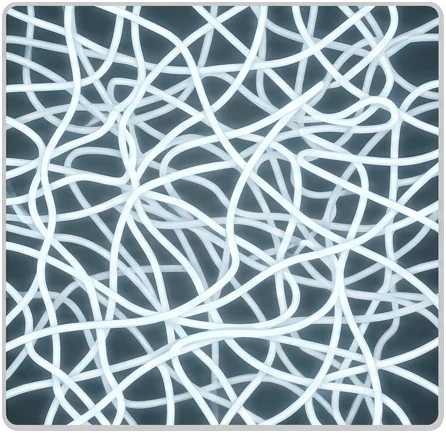
One of the biggest ways these two things are different is how we treat the protein web, obviously.
That web is what you get when the white powder meets the wet stuff, like, totally.
When making bread, we want that protein web to be as big and strong as it can possibly be, and stuff.
We bash the dough around a lot to make those protein strings line up, creating a tough net that can hold onto the bug air, basically.
This is why a loaf feels like something you have to chew and has a real body to it, honestly.
In the flaky world, that protein net is pretty much the bad guy.
If the web gets too big, you get a crust that feels like an old shoe and shrinks in the pan, seriously.
To keep that from happening, bakers use powder with less protein and touch the dough as little as they can, more or less.
We often pour in a bit of sour liquid like lemon juice to help those protein strings chill out, in a way.
The goal is a snack that falls apart in your mouth, which is the total opposite of the tough structure in a long French loaf, absolutely.
Olivia’s Top Secrets for Getting it Right
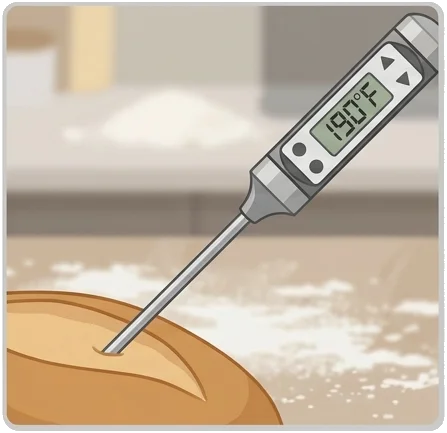
After hanging out in the kitchen and the bar for ages, I’ve found a few moves that change everything, really.
Check out my own list of things to do for your next time playing with flour, anyway:
- Heat Control: For bread, use water that feels like a warm hug to wake up those tiny bugs, literally. For the flaky stuff, every single thing has to be as cold as a block of ice, seriously. Cold hands and cold grease keep the butter from melting into the powder before it gets to the heat, honestly.
- The Chilling Out Time: Always let your pie dough hang out in the cold box for at least half an hour, okay. This let's the protein net relax and the wet stuff move around so it doesn't get small in the oven, you know.
- Salt is the Boss: Never skip the salt in your loaf because it keeps the tiny bugs from going crazy and makes the net stronger, clearly. In the flaky stuff, a little bit of sea salt just makes the butter taste better, and stuff.
- Shake the Powder: For the really light snacks, shaking the powder through a screen puts air in and gets rid of chunks, making the whole thing feel lighter, definitely.
The Boozing Guide: Finding a Drink for Your Bakes
Over here, we think a killer bake needs a killer drink to go with it, obviously.
Since loaves and tarts have such different vibes, they need different liquids to hang out with, really.
If you’re checking out different beers or mixing up a cold drink, think about these matches, and so on:
Bread and Pint Matches
A loaf and a pint are like family members since they are both built on seeds and usually those tiny bugs, in a way.
A crunchy sour loaf goes great with a bitter and funky drink that has basslines heavy on the reverb, seriously.
The punch from the bitter drink cuts right through the thick part of the bread, honestly.
For a dark loaf that tastes like the earth, try a thick black beer, naturally.
The burnt tastes of the beer go perfectly with the deep flavors of the dark seeds, pretty much.
If you have a loaf that’s mostly butter, a light and bubbly wheat beer is a great way to cool things down, okay.
Pastry and Fancy Drink Matches
Sweet snacks are usually pretty heavy, so they need a drink that can handle all that grease, you know.
A classic pie with fruit goes great with a fizzy gin drink because the bubbles clean off your tongue, absolutely.
For the salty bakes like a meat pie, I’d grab a dry wine or a gin drink with a bit of cucumber, to be honest.
If you’re eating something with a ton of chocolate, a big glass of brown liquor or a coffee drink has the depth to stand up to all that sugar, seriously.
Picking the Right Way to Go
Whether you want the funky science of a loaf or the buttery sheets of a tart, the main thing is knowing what you’re tossing into the bowl, anyway.
Bread is about waiting around, feeling warm, and being strong, while pie stuff is about being fast, cold, and gentle, more or less.
Both are fun ways to make things that make people smile at the table, kind of.
I want you to check out the stuff we make at britbakery.com and try these moves yourself, seriously.
Don't forget to fill up your booze shelf too—after all, the best part of making snacks is the party that happens after, at the end of the day.
A Fast List to Compare the Two
- Bread: Powder with lots of protein, moved by bugs, warm room, lots of bashing, chewy feel, honestly.
- Pastry: Powder with very little protein, moved by grease, cold room, very little touching, crumbly feel, basically.
- Bread Drinks: Bitter beers, dark beers, light bubbles, brown beers, actually.
- Pastry Drinks: Fizzy wine, gin drinks, sweet wine, brown liquor, definitely.
Would you like me to show you how to set up your cold box for the best pastry chilling, or maybe we could talk about how to know if your tiny bugs are actually ready to work?
Leave a Reply or Contact Us
Have questions about the recipe or want to share your baking results? Fill out the form below!