
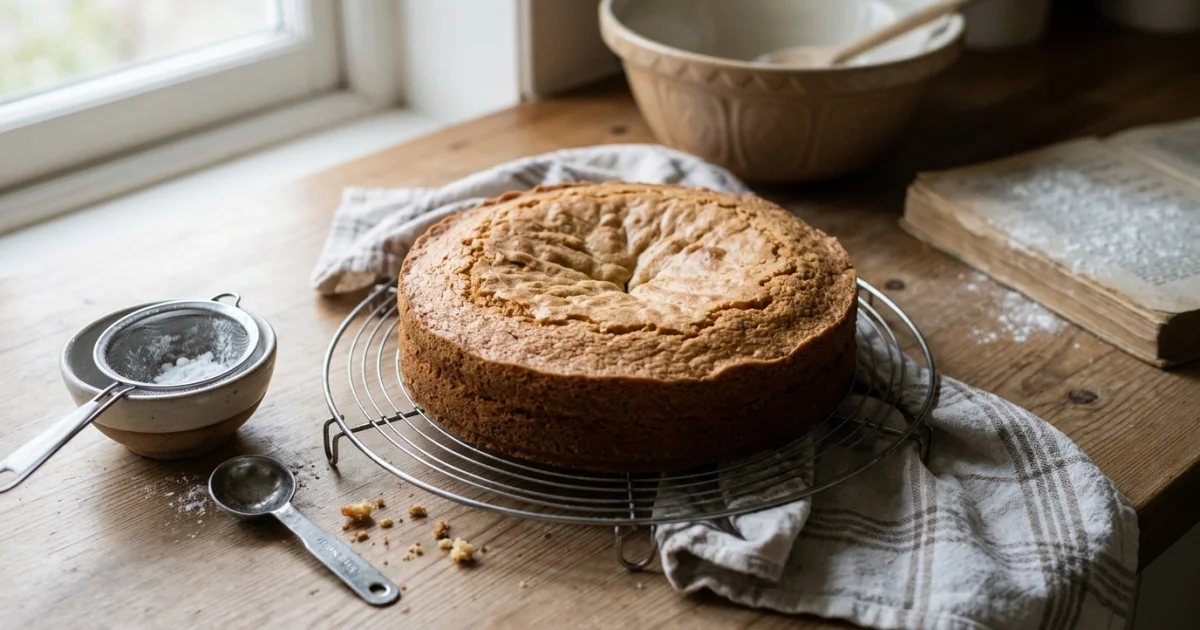
Why Your Cake Sinks in the Middle: A Baker’s Troubleshooting Guide
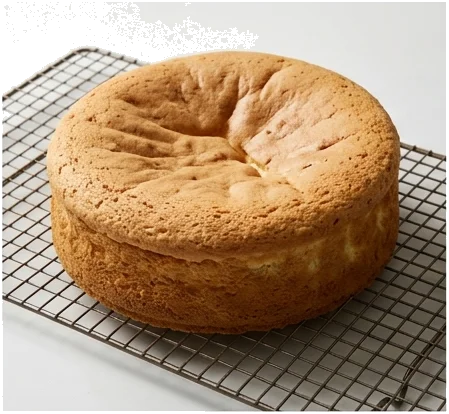
There is nothing more heartbreaking than pulling a cake from the oven, only to watch the center collapse into a sad, crater-like valley. As someone who has spent countless hours in the kitchen at britbakery.com, I have seen this happen to both beginners and seasoned pros. A sunken center usually isn't a sign of failure; it is a chemistry lesson waiting to be learned. Today, we are going to dive into why this happens and how you can ensure every bake rises to the occasion.
1. The Underbaking Trap
The most common reason for a sunken center is simply pulling the cake out too soon. When a cake bakes, the structure—composed of egg proteins and starch from the flour—needs time to set. If you remove the cake before the center has reached this structural maturity, the weight of the middle will collapse as it cools.
My Professional Trick
Do not rely solely on the timer. Ovens vary, and even the weather can impact your bake. Always use the "spring-back" test. Gently press your finger into the center of the cake. If it springs back, it is likely done. If your finger leaves an indentation, give it another three to five minutes. For denser cakes, a bamboo skewer should come out clean or with just a few moist crumbs attached.
2. The Temperature Fluctuations
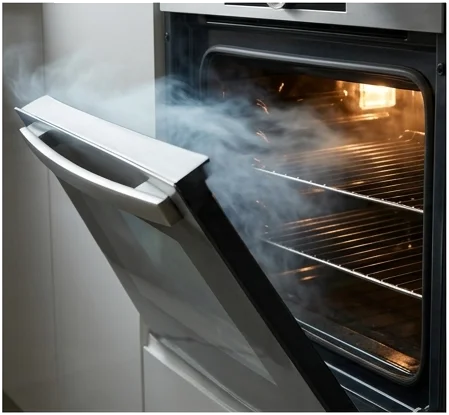
Baking is a science of heat. If you open the oven door too early, you allow a rush of cool air into the chamber. This sudden drop in temperature can shock the rising cake, causing the air bubbles trapped in the batter to contract before the walls of the cake have hardened. Once they contract, the cake loses its lift and sinks.
- Avoid opening the oven door during the first two-thirds of the baking time.
- Use an oven thermometer. Most domestic ovens run 10–20 degrees hotter or cooler than the dial suggests.
- Rotate your pans only when the cake is mostly set, usually during the final 10 minutes.
3. Leavening Mistakes
Baking powder and baking soda are the engines of your cake, but they require precision. If you use too much leavening agent, the cake will rise too quickly. The air bubbles grow large and unstable, eventually bursting and causing the center to cave in. Conversely, expired baking powder will lose its potency, failing to provide enough lift to hold the structure of the cake.
Practical Pro-Tip
Always check the expiration date on your leavening agents. If you aren't sure, test your baking powder by adding a half-teaspoon to a cup of hot water. If it bubbles vigorously, it is active. If not, throw it out and buy fresh.
4. The Ingredient Balance
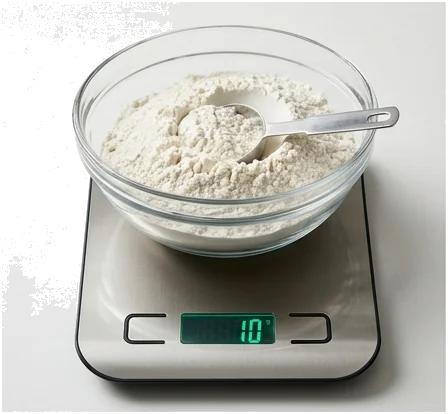
Sometimes, the recipe itself is the culprit. If your batter contains too much sugar or too much liquid, it can interfere with the flour’s ability to build a strong structure. Sugar weakens the protein network of the flour, so high-ratio cakes require very precise measurements to ensure they don't fall flat.
I always recommend using a digital kitchen scale rather than measuring cups. A cup of flour can vary by as much as 20 grams depending on how tightly you pack it, which is enough to ruin the delicate balance of your batter. Precision is the best way to guarantee a consistent, professional rise.
5. Oven Overcrowding
When you fill your oven with too many pans, you disrupt the circulation of hot air. This creates "cold spots" in the oven. If your cake is not receiving consistent heat from all sides, the edges may bake while the center remains raw. Ensure there is at least two inches of space between the pans and the oven walls to allow for proper airflow.
Summary Checklist for Your Next Bake
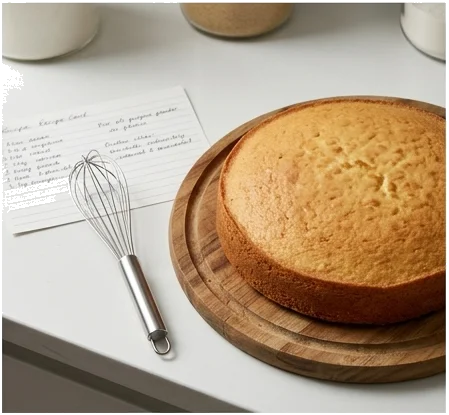
- Measure your ingredients by weight (grams), not volume.
- Bring cold ingredients like eggs and butter to room temperature to ensure proper emulsification.
- Don’t over-beat the batter after adding the flour, as this can lead to an uneven rise.
- Wait until the cake is completely cool before removing it from the pan.
- Treat your oven like a laboratory: keep the door closed and use a secondary thermometer.
Mastering the rise of a cake takes practice. Don’t be discouraged if you have a "sinker"—even the best bakers have had their share of mishaps. Keep experimenting, keep measuring, and most importantly, enjoy the process of turning simple ingredients into something delicious. For more tips on perfecting your pastry techniques, keep following our updates here at britbakery.com. If you bake often, it also helps to learn how to store bread fresh longer so your results stay enjoyable for days.
Leave a Reply or Contact Us
Have questions about the recipe or want to share your baking results? Fill out the form below!