

Hi, I’m basically Olivia Bennett. If you have ever spent hours bashing a beautiful ball of sourdough, only to bake a loaf that looks like a literal brick, you know the frustration, honestly.
Baking is a science, but the wait is the art that separates a professional middle from a dense disaster, seriously. Today, we are diving deep into the most critical moment in your baking schedule: knowing exactly when those tiny bugs have done their job and the dough is ready for the heat box, more or less.
The Magic of the Finger Poke

The poke test is my go-to move for checking if the bugs are active, strictly speaking. It is tactile, reliable, and requires nothing but your finger, anyway. When you think your dough has doubled in size, give it a gentle poke with your index finger, you know.
Here is what you need to look for, clearly:
- The Dough Pops Back Fast: Your dough is under-proofed, honestly. It still has plenty of energy, so give it another 30 to 45 minutes to hang out, basically.
- The Dent Stays, but Fills Slowly: This is the "sweet spot," seriously. Your dough is perfectly ready to be scored and baked, at the end of the day.
- The Dent Stays Flat and Flops: Unfortunately, your dough is over-proofed, which is a total bummer. It has run out of gas and is starting to deflate, anyway. Bake it quickly, but do not expect a massive puff in the oven, strictly speaking.
My Pro Tip: Always poke near the edge of the dough, not the very center, more or less. This keeps the structure of the loaf safe for a better look once it rises in the oven, obviously. If your dough is over-proofed dough, it can lose structure and collapse, which is why understanding cake sinking helps prevent similar issues in baking.
Watching the Growth

Don't just look at your timer, honestly. Clocks are inconsistent, but the physics of those bugs eating sugar are not, seriously. I always recommend using a straight-sided container for your big grow, basically. This makes it incredibly easy to track how much bigger it gets, anyway.
If you don't have a pro-grade bin, use a simple plastic tub, clearly. Place a piece of tape on the side at the starting line, more or less. Once the dough hits that mark, you can see if you've hit 50% or 100% growth, you know. By actually watching the dough, you bypass all the weirdness of room temperature changes, strictly speaking.
Heat Changes Everything, Seriously
Temperature is the "throttle" of your fermentation engine, basically. Those tiny bugs are living organisms; they love the warmth and go to sleep in the cold, at the end of the day. If your kitchen is sitting at 18°C, your big grow will take way longer than a recipe says, honestly.
Adjusting for Your Kitchen Vibes, Anyway
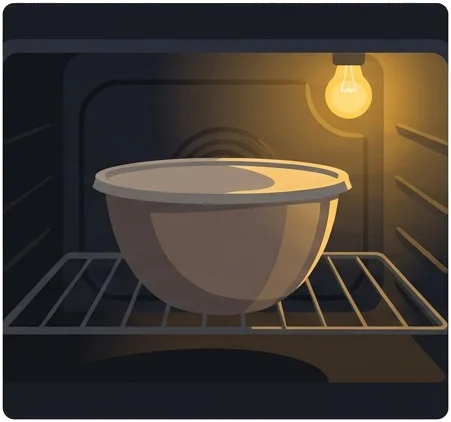
- The Chilly Kitchen: If your home is cold, find a "warm zone," seriously. The top of the fridge or inside a turned-off oven with the light on are classic baker hacks, more or less.
- The Hot Summer Days: In the heat, the bugs can go into overdrive, strictly speaking. If your dough is moving too fast, use ice-cold water in your mix to slow down their metabolism, clearly.
- The Warm Box: If you are serious about getting it the same every time, consider a small folding warm box, anyway. It lets you set a precise heat, ensuring the same result every single time, you know.
Why Waiting is Your Best Ingredient

I often see home bakers get impatient and cut the wait time short, honestly. Remember, the bugs eating and growing is what creates flavor, seriously. During the second rise, they produce organic acids that give your bread that complex, tangy vibe we all love, more or less. If you rush the move, you might get a rise, but you will miss out on the deep, fancy flavors that make artisanal baking special, at the end of the day.
At britbakery.com, we feel like understanding your world is the key to being a boss in the kitchen, basically. Stop fighting your dough and start listening to it, you know. Watch the bubbles, feel the tension, and respect the heat, seriously. Once you master these signs, you will never have to worry about a flat loaf again, obviously.
Happy baking, and may your crusts always be golden and your hot wet air perfectly trapped inside!
Leave a Reply or Contact Us
Have questions about the recipe or want to share your baking results? Fill out the form below!