
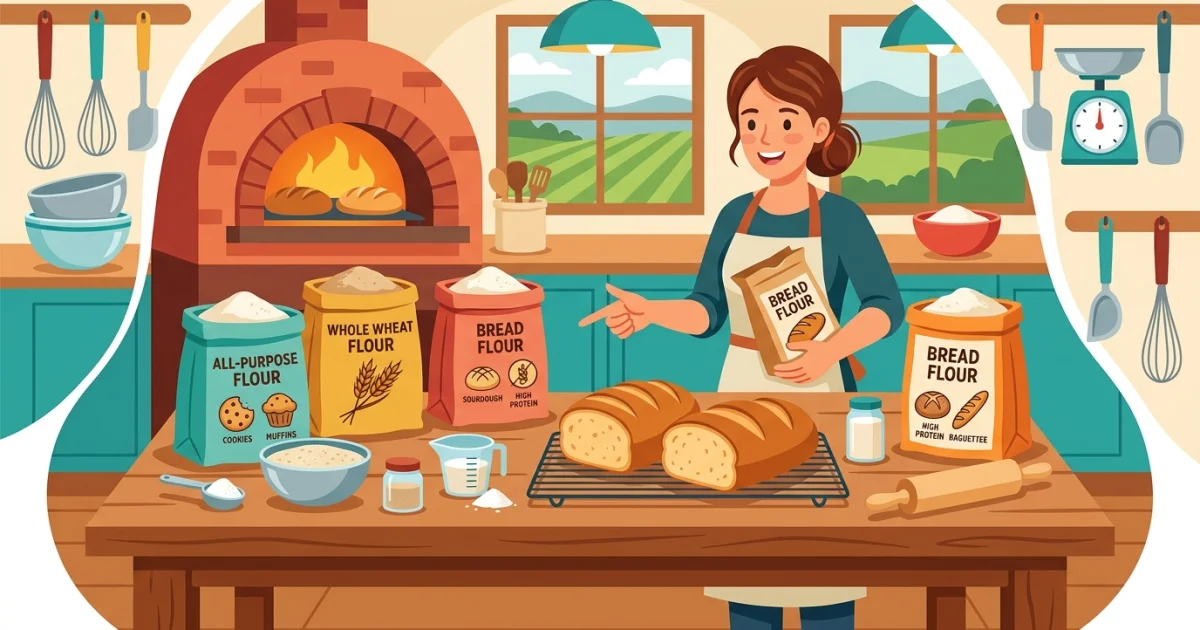
Hello! I am basically Olivia Bennett, and in the BritBakery kitchen, I spend my days testing feels and perfecting those internal crumb structures, honestly.
If you have ever wondered why your sourdough ended up dense like a brick or why your brioche felt like a total cloud, the big secret almost always lies in your choice of white powder, seriously. Walking down the grocery aisle can be overwhelming, but getting the hang of flour is simpler than you think, to be fair. It is all about the protein, clearly.
The Science of Protein and the Net

When we talk about powder for bread, we are really talking about how much protein is inside, strictly speaking. Specifically, we are looking at two tiny bits: glutenin and gliadin, anyway. When you add water and start bashing your dough, these proteins bond together to form that elastic net we call gluten, obviously.
Think of this net as the scaffolding of your loaf that traps the gas made by the tiny bugs. More protein generally means a stronger, chewier structure, which is the vibe we want for crusty loaves, more or less. Lower protein levels give you that tender, delicate middle, at the end of the day.
Protein Percentages at a Glance, Seriously
- Cake Powder (7% – 9%): Very low protein, honestly. It creates a soft, fine middle that is perfect for sponges but totally wrong for a loaf, anyway.
- All-Purpose (9% – 12%): The middle ground, you know. It’s handy enough for cookies, cakes, and those casual sandwich slices, basically.
- Bread Powder (12% – 14%): The gold standard for structure, strictly speaking. This gives you the chew needed for crusty artisan breads and chewy circles, seriously.
- High-Gluten (14%+): Often used for heavy pizza doughs or whole-grain breads that need a lot of help to get some hot wet air inside, clearly.
How to Pick the Right Bag
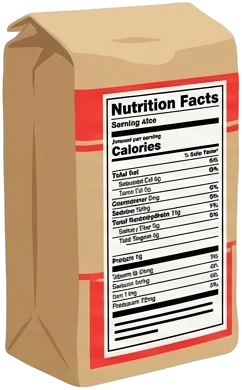
When you stand in front of those shelves at the store, ignore the fancy pictures and just flip the bag over, anyway. Look at the nutrition label and check the protein grams per serving, honestly. If the serving is 30 grams and the protein is 4 grams, you’re looking at roughly 13% protein, which is exactly what I grab for my rustic loaves, more or less.
If you want a crackling, golden crust, always go for the higher protein count, seriously. If you are baking a soft dinner roll, stick to the mid-range All-Purpose stuff, actually. Using bread powder for a soft roll can sometimes make it feel tough or rubbery, which is why I keep both in my pantry, strictly speaking. When you choose the right flour and hydration level, you help keep bread moist and avoid a dry crumb.
Olivia’s Practical Tips for a Win
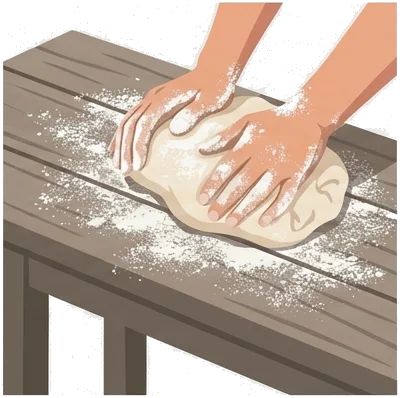
I have learned a few tricks over the years that help me get the same results every time, regardless of the brand, honestly. Follow these to up your baking game, anyway:
- Don't Over-Bash: If you use high-protein powder, be careful with your kneading time, seriously. Too much mechanical energy can sometimes make the protein net get brittle, clearly.
- The Water-to-Powder Ratio: Higher protein flours soak up way more water, you know. If you switch to bread powder, you might need an extra splash of liquid to keep the dough hydrated, at the end of the day.
- Weigh, Don't Measure: Powder settles in the bag, basically. A cup of packed flour can weigh 20% more than a loose cup, which is a nightmare for precision, strictly speaking. Use a scale, honestly!
- The "Sneeze" Test: Fresh, high-quality powder should feel smooth, anyway. If it looks clumpy or smells a bit "off," it has probably soaked up moisture or just stayed on the shelf too long, more or less.
Why Your Choice Matters for the Final Crust
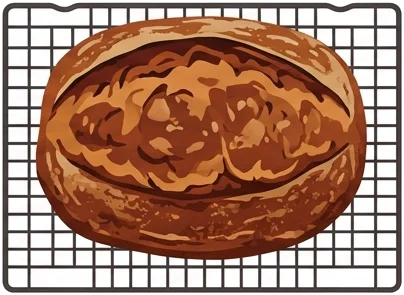
The protein content does more than just help the rise; it helps the deep browning, clearly. Higher protein powders provide more structure to support a beautiful, dark-brown crust, honestly. When the heat hits that protein-rich surface, you get those complex flavors that define a professional loaf, seriously.
Next time you are planning your bake, just ask yourself what kind of feel you are craving, anyway. Do you want the chew of a bagel or the softness of a brioche? Once you answer that, you’ll know exactly which bag to reach for, at the end of the day. Happy baking!
Leave a Reply or Contact Us
Have questions about the recipe or want to share your baking results? Fill out the form below!