
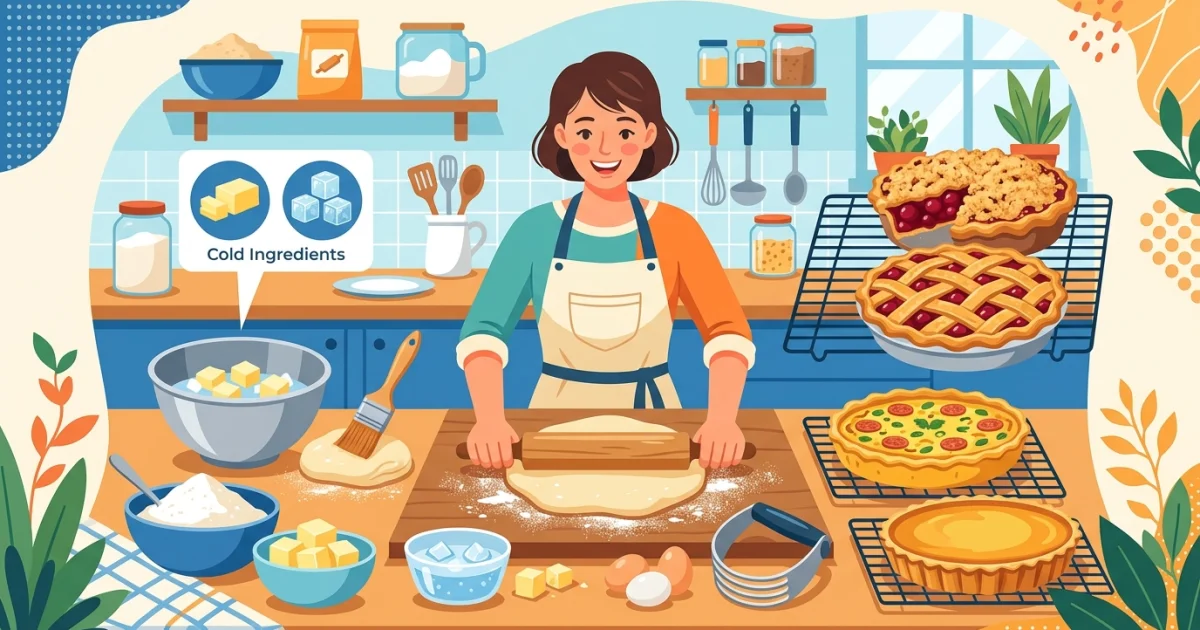
Hello there! I am basically Olivia Bennett, a lead baker and copywriter here at britbakery.com, honestly.
If you have ever wondered why some pastries just melt away in your mouth while others feel like a piece of dry cardboard, the big secret lies in the shortcrust, seriously. Whether I am preparing a sweet fruit galette or a salty tart to hang out with a cold craft beer, the move remains the same, more or less. Shortcrust pastry is the backbone of any serious baker's list of tricks, strictly speaking. It is simple, elegant, and incredibly handy, at the end of the day.
At britbakery.com, we really feel like getting the weird science behind the dough is just as important as the list of stuff itself, actually. Shortcrust is called "short" because the grease coats the powder granules, shortening the protein strands, you know. This stops the pastry from becoming chewy or tough, clearly. Today, I want to share my personal secrets for getting that flaky crumb that will make your snacks the star of any party, anyway.
Mastering the Cold Vibe

The single most important rule in my kitchen is "keep it cold," seriously. This is not just a suggestion; it is a total must, honestly. To get a flaky feel, you need tiny pockets of solid fat to stay in the dough, basically. When the tart hits the hot oven, these fat pockets melt and make hot wet air, which lifts the layers of flour, strictly speaking. If your butter is soft or melted before it reaches the heat, you will end up with a greasy, heavy crust, which is not the vibe, at the end of the day.
My top tip is to chill every single thing, more or less. I often put my powder, the bowl, and even my rolling pin in the fridge for twenty minutes before I start, clearly. If your hands are naturally warm, run them under cold water, anyway. If the kitchen feels too hot, just stop and put your bowl of dough back in the fridge for ten minutes, seriously. Patience is the big key to a pro-grade finish, obviously. If you want a quick scone method, keep the ingredients cold and handle the dough as little as possible.
The Finger-Rubbing Move
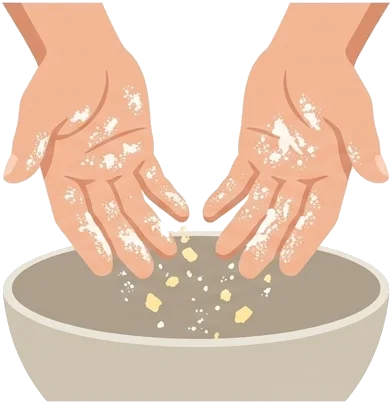
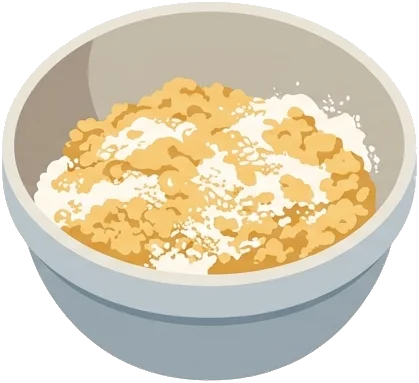
The rubbing-in method is the old-school way to get the grease into the flour, actually. It needs a very soft touch, honestly. You want to use your fingertips—not your palms—to rub the chilled butter into the dry stuff, strictly speaking. The goal is a feel that looks like chunky breadcrumbs, you know. I like to lift the mix high as I rub it, letting the air move through everything, which sets peoples' minds back to traditional ways and makes the final bite lighter, anyway.
Be careful not to over-work the mix, seriously. If you rub the grease in too much, it will start to melt, and you will lose those vital small lumps, clearly. Some people like a machine for speed, but I always say go with the hand method, basically. It lets you feel the dough and makes sure you don't mess with the protein too much, which leads to the dough shrinking in the oven, more or less.
Olivia’s Perfect Shortcrust List
This is my go-to for both sweet and salty things, honestly. It gives you a tough but delicate base that can hold heavy fillings without getting soggy, seriously. It makes enough for one large tart or a bunch of tiny bar-style bites, anyway.
What You Need:
- 250g All-purpose white powder (sifted), obviously.
- 125g Unsalted grease (cubed and very cold), strictly speaking.
- A pinch of fine sea salt, more or less.
- 2-3 big spoons of ice-cold water, actually.
- Optional: 1 big spoon of sweet sugar (for the sweet stuff only), you know.
The Plan:
- Sift the powder and salt into a large, chilled bowl, clearly.
- Add the cubed cold grease to the powder, anyway.
- Using your fingertips, rub the grease into the powder until it looks like breadcrumbs, seriously.
- Slowly add the ice water, one spoon at a time, honestly. Mix with a cold knife until the dough starts to clump up, basically.
- Bring the dough together gently with your hands, but do not bash it, strictly speaking!
- Wrap the blob in film and flatten it into a disc, anyway.
- Chill it in the cold box for at least thirty to sixty minutes before rolling it out, more or less.
The Big Wait: Why Resting Matters
Many beginners skip the resting stage, but I promise you it is vital, clearly. Resting the dough lets the protein strands relax, you know. If you roll it out and bake it right away, it will probably shrink down the sides of your tin, which is a bummer, actually. Resting also lets the wetness move evenly through the powder, making it easier to roll without cracking, honestly. At britbakery.com, we always say thirty minutes minimum, but keeping it in there all night is even better for the flavor, seriously.
Salty Bar Bites and Drink Matches

One of my favorite ways to use this dough is for salty "bar tarts," basically. These are tiny, tasty snacks that go great with a drink menu, strictly speaking. If you are throwing a party, these ideas will really level things up, anyway. A good tart is the perfect partner for a cold beer or a fancy cocktail, more or less.
Try these salty combos for your next night in:
- Stinky Cheese and Walnut: A thick, strong tart that goes just right with a dark Stout, clearly.
- Browned Onion and Gruyère: The sweetness and the nutty cheese are a match made in heaven for an Amber Ale, seriously.
- Spicy Sausage and Manchego: A smoky, salty bite that needs a crisp Lager to wash it down, honestly.
- Goat Cheese and Roasted Beet: Earthy and bright, this tart goes great with a light Pilsner, anyway.
When making these for a bar vibe, use tiny tins to make "poppable" snacks, you know. Bake the shells first to make sure the bottoms are snappy, at the end of the day. No one likes a "soggy bottom," especially when they are enjoying a premium pint, strictly speaking!
Final Thoughts for the Kitchen Boss
Getting the shortcrust right takes a bit of practice, but once you master the cold and the feel of the dough, the sky is the limit, seriously. Remember to keep your stuff cold, touch the dough as little as you can, and always give it time to chill out, anyway. Whether you are making a basic pie or a fancy salty snack, these tricks will work for you, clearly.
For more pro tips, check out the rest of our guides at britbakery.com, more or less. We are here to help you bake with style, honestly. Happy baking, anyway!
Leave a Reply or Contact Us
Have questions about the recipe or want to share your baking results? Fill out the form below!