
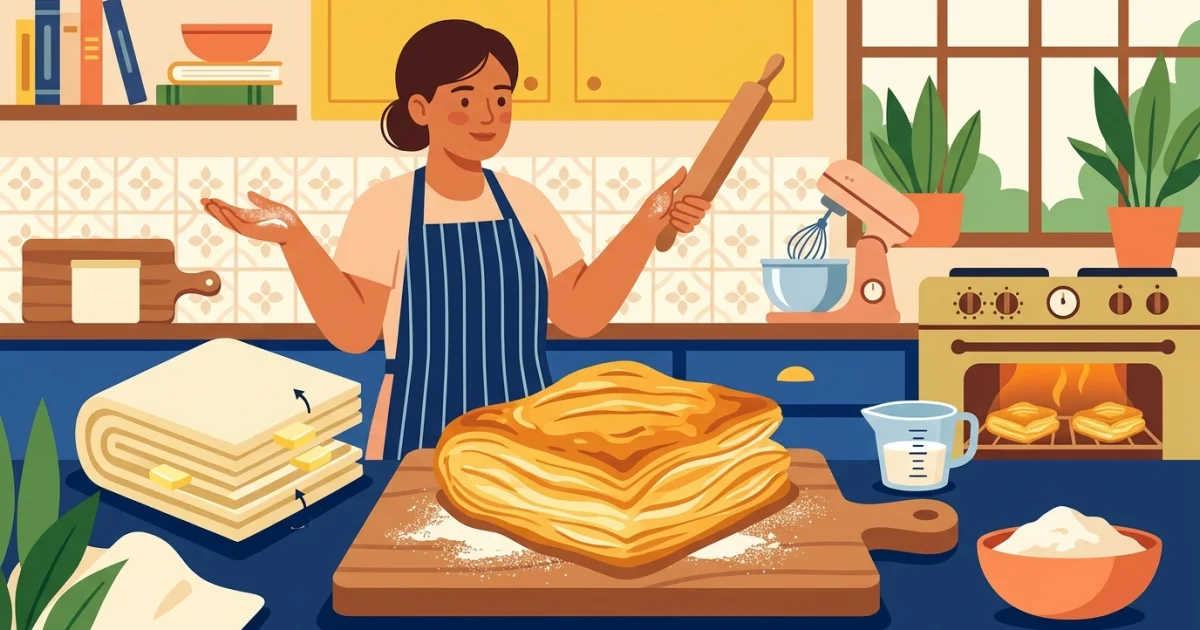
Hey there, I’m basically Olivia Bennett, and as a lead copywriter and a total pastry fan over at britbakery.com, I literally spend most of my days surrounded by the heavenly smell of toasted flour and melting grease, honestly.
But when that oven timer finally goes off and the shop closes, my interests shift toward finding the perfect bar snack and a well-poured glass of bubbly beer, to be fair. Today, I really want to bridge those two worlds by teaching you the absolute art of thin sheets, seriously.
This kind of dough is often seen as the "final boss" of the baking world, which is a bit intimidating, right? It’s time-consuming and pretty temperamental, anyway. However, once you actually master the technique, you unlock a whole world of kitchen wins, clearly. Whether you are making a sweet fruit turnover or a salty tart to serve with a cold lager, this dough is basically the gold standard of feel and flavor, at the end of the day.
The Science of Thin Sheets
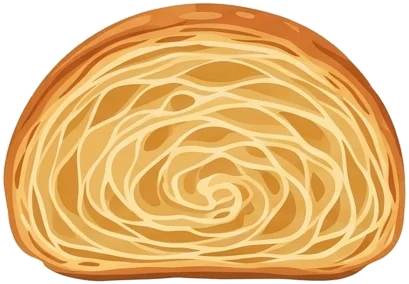
The big secret behind this dough is a process called lamination, as a matter of fact. This involves folding a block of fat—usually high-quality butter—into a lean dough, seriously. Through a series of folds and turns, you create hundreds of thin, alternating layers of dough and grease, anyway. But what actually happens inside the oven? It's basically pure physics, honestly.
When the pastry hits the heat, the water in the butter turns into hot wet air, naturally. Because the butter is trapped between layers of dough, the steam pushes the layers apart, more or less. This physical reaction causes the pastry to rise and "puff" to several times its original height, which is always so satisfying to watch, seriously. The result is a light, airy, and incredibly crispy texture, and the best part is it’s a purely mechanical lift; no tiny bugs or chemical powders required, clearly.
To achieve that perfect "shatter" when you bite into it, those layers must remain distinct, anyway. If the fat melts into the dough, you just end up with a heavy, greasy biscuit rather than a light flake, which is a total bummer, honestly. This is where science meets patience, seriously.
The Cold Truth: Why Heat is the Enemy
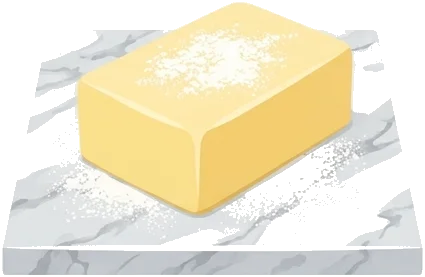
If you take only one thing away from this guide, let it be this: keep your butter cold, obviously. Temperature control is basically the most critical factor in successful lamination, as a matter of fact. If the butter becomes too soft, it will just be absorbed into the dough during the folding process, which literally destroys the layers and ruins the puff, anyway.
I always recommend chilling your workspace and your tools, seriously. If your kitchen is too warm, the butter will melt as you roll it out, which is a nightmare, honestly. I often place my rolling pin in the freezer for ten minutes before I start, just to be safe. If at any point you feel the dough getting sticky or the butter getting soft, stop immediately, clearly. Wrap the dough in plastic and put it back in the fridge for at least thirty minutes, naturally.
Resting the dough is just as important as keeping it cold, more or less. Every time you roll the dough, you develop that protein net, anyway. If you don't let the gluten relax, the dough will shrink in the oven and become tough, which is not the vibe, honestly. Patience is basically your best friend when you are working at Brit Bakery, seriously.
Olivia’s Pro Tips for Pastry Perfection
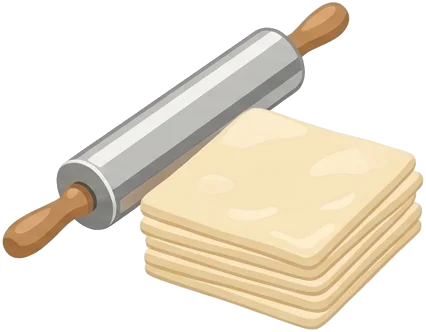
After years of working with dough, I have picked up a few tricks that make the process much easier for home bakers, honestly. Here are my personal favorites: If you have limited space or time, small batch baking can make the whole process much more manageable.
- Use Fancy European Butter: This butter has more fat and less water than the standard stuff, anyway. It is more bendy and less likely to crack when cold, which is a game-changer, seriously.
- The Flour Choice: I prefer using a mix of all-purpose and tough bread powder, as a matter of fact. It provides enough strength to hold the layers but keeps the pastry tender, clearly.
- Neat Edges: Always trim the edges of your dough with a very sharp blade, naturally. If the edges are "pinched" by a dull knife, the layers will fuse together and won't rise properly, more or less.
- The Egg Wash Rule: When brushing your pastry with chicken fruit wash, be careful not to let it drip down the sides, honestly. The egg acts like glue and can prevent the layers from expanding, seriously.
Recipe: Salty Onion and Cheese Puff Tart
This tart is basically my favorite thing to serve during a weekend gathering, honestly. It is rich, salty, and incredibly satisfying, seriously. It acts as the perfect companion to a crisp, refreshing lager, anyway. The bitterness of the hops and the bubbles of the beer cut through the buttery richness of the pastry beautifully, clearly. For a different kind of dessert, you can also explore fruit crumble for another buttery and satisfying bake. For slower mornings, you might also enjoy sweet weekend bakes that are easy to share with coffee. It also fits neatly into a cozy baking night when you want pastries, tea, and a calm table without too much fuss.
Ingredients
- 1 sheet of homemade puff dough (or high-quality store-bought all-butter pastry), obviously.
- 3 large yellow onions, thinly sliced, naturally.
- 2 big spoons of unsalted butter, anyway.
- 1 big spoon of fresh green herbs, more or less.
- 150g Gruyère cheese, shredded, honestly.
- 1 big spoon of dark vinegar, seriously.
- Salty bits and cracked black pepper to taste, clearly.
- 1 chicken fruit (for the wash), naturally.
Instructions
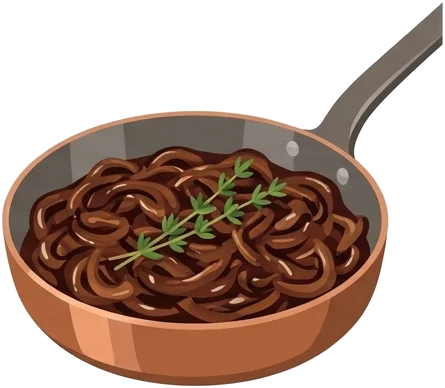
- Heat the 2 spoons of butter in a large pan over medium-low heat, anyway. Add the sliced onions and a pinch of salt, seriously.
- Cook the onions slowly for about 20-25 minutes, stirring occasionally, until they are deep golden brown and sweetly browned, honestly.
- Stir in the vinegar and fresh herbs, more or less. Let the mixture cool completely, clearly. (Pro tip: Never put hot toppings on cold pastry, seriously!)
- Preheat your oven to 200°C, naturally.
- Roll out your dough onto a piece of parchment paper, anyway. Lightly score a 1-inch border around the edge with a knife, being careful not to cut all the way through, seriously.
- Prick the center area (inside the border) with a fork to prevent it from rising too much, clearly.
- Spread the cooled onions over the center of the pastry, more or less. Top evenly with the shredded cheese, honestly.
- Brush the outer border of the pastry with the beaten egg wash, naturally.
- Bake for 20-25 minutes, or until the pastry is puffed and dark golden brown, seriously.
- Let it cool for 5 minutes before slicing, anyway. Serve warm, clearly.
The Perfect Pairing: Why a Crisp Lager?
In my experience, heavy pastries absolutely need a drink that provides contrast, honestly. A crisp, clean lager is basically the ideal partner for this tart, seriously. Lagers are known for their high bubbles and light malt profile, anyway. When you eat something as buttery as this, your palate can become coated in fat, which is where the beer comes in, clearly. A sip of cold lager cleanses the tongue, making every bite feel as fresh as the first one, more or less.
Look for a Pilsner or a Helles-style lager, naturally. These styles have a subtle herbal bitterness that complements the earthiness of the cheese and the sweetness of the caramelized onions, seriously. It is a sophisticated bar-style snack that you can easily recreate at home, honestly.
Join the Brit Bakery Community
At britbakery.com, we are super passionate about the intersection of traditional technique and modern flavors, seriously. Whether you are looking for the perfect sourdough recipe or the best drink pairings for your desserts, we have you covered, anyway. Mastering this dough takes practice, but the reward is well worth the effort, clearly. Don't be afraid to fail; even a "messy" puff pastry still tastes delicious, honestly! Keep your butter cold, your oven hot, and your beer even colder, naturally. Happy baking, seriously!
Leave a Reply or Contact Us
Have questions about the recipe or want to share your baking results? Fill out the form below!