
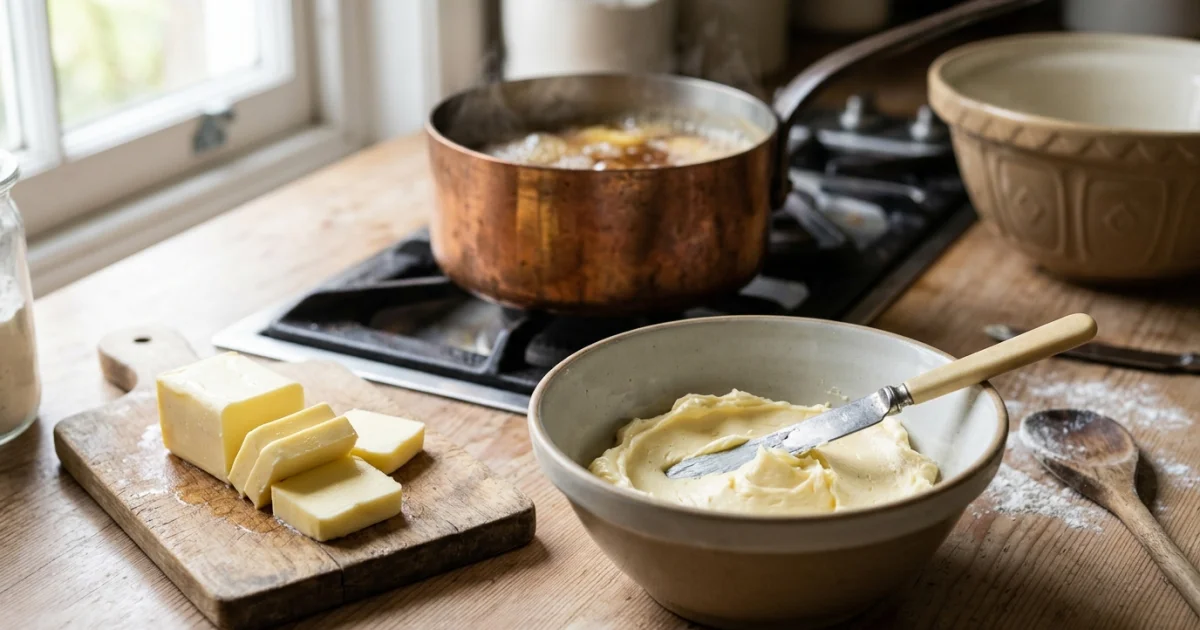
The Secret to Perfection: Mastering Butter Temperature
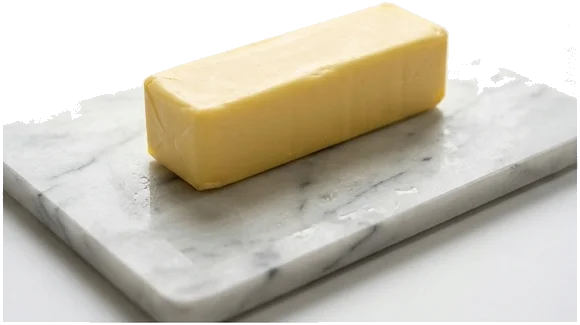
Hi, I’m Olivia Bennett. If you’ve spent any time in my kitchen here at BritBakery, you know that I treat butter like gold. It is the foundation of almost everything we do, from flaky pastry crusts to airy sponge cakes. Yet, I see so many bakers struggle with the same question: "Does the temperature of my butter really matter that much?"
The short answer is yes. In fact, it is the single most important variable in your success. Whether you are aiming for a crisp shortbread or a towering cake, the state of your butter dictates the structure, texture, and flavor of your final bake. Let’s break down the science and the art behind butter temperatures.
Understanding the Three States of Butter
Butter is essentially an emulsion of fat, water, and milk solids. When we change its temperature, we change how those components interact with our flour and sugar. Here are the three states every baker must master:
1. Cold Butter (Straight from the Fridge)
When you use cold butter, the fat stays solid. In recipes like biscuits, scones, or pie crusts, these solid chunks of fat remain intact during mixing. When the dough hits the hot oven, the water in the butter evaporates, creating steam. This steam pushes the layers of flour apart, creating that signature "flaky" texture we all crave.
2. Cool Room Temperature (65°F / 18°C)
This is the "sweet spot" for most creaming methods. At this temperature, butter is soft enough to be manipulated but firm enough to hold its shape. When you beat this butter with granulated sugar, the sharp edges of the sugar crystals cut into the fat, creating tiny air pockets. This aeration is exactly what makes your cakes rise high and stay light.
3. Melted or Overly Soft Butter
If your butter is oily or completely liquid, it can no longer hold those air pockets. The result? A dense, greasy, or flat bake. Melted butter is perfect for brownies or certain muffins where you want a fudgy, chewy texture, but it is a disaster for cookies that rely on lift.
Practical Tricks for the Perfect Consistency
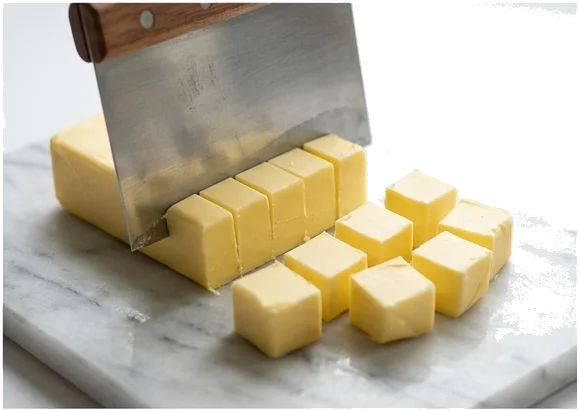
I know how frustrating it is to start a recipe only to realize your butter is a rock-hard block. Here are my go-to professional tricks to get you back on track without compromising quality:
- The Cube Method: If you need room-temperature butter quickly, cut it into small, half-inch cubes. Surface area is your friend. Small cubes will reach room temperature in about 10–15 minutes.
- The Rolling Pin Trick: For pie crusts, don’t just use cold butter—use "frozen" butter. Grate your butter using a box grater directly into your flour. It incorporates evenly and stays chilled through the entire mixing process.
- Avoid the Microwave: Please, try to avoid the microwave. It heats unevenly, often turning parts of your butter into liquid oil while leaving the center cold. This ruins the emulsification process.
- The Fingertip Test: For room-temperature butter, press the stick with your finger. It should leave an indent, but the butter should still hold its shape and feel slightly cool to the touch. If it feels greasy, it is too warm. Pop it back in the fridge for five minutes.
Why Consistency is Your Best Friend
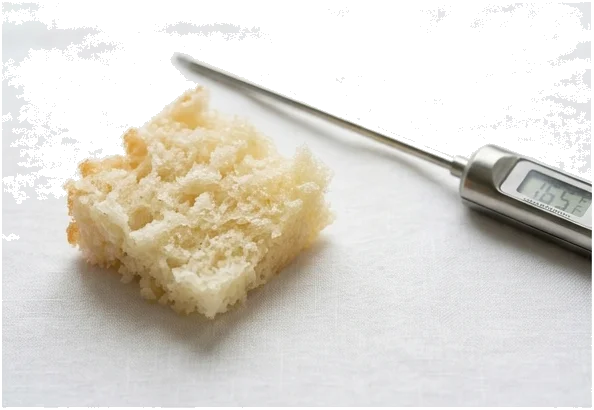
At BritBakery, I always tell my students that baking is a science of precision. If your recipe calls for softened butter, and you use melted butter, your cookies will spread across the baking sheet like a puddle. If you use cold butter for a cake, your batter may curdle, leading to an uneven crumb. If you want to understand how butter behavior changes in yeast dough, this guide will help you control texture and rise more confidently.
Taking those extra five minutes to ensure your butter is at the correct temperature will save you hours of disappointment. It is the difference between a bake that is "fine" and a bake that is truly professional. Remember, butter is the engine of your pastry. Treat it well, and it will reward you with perfection every single time.
Do you have a favorite baking challenge you’re currently working on? Keep your kitchen cool, your butter consistent, and keep experimenting. Happy baking!
Leave a Reply or Contact Us
Have questions about the recipe or want to share your baking results? Fill out the form below!